What Causes Roof Leaks? Key Issues Helena and Montana Must Know (2025)
Contact Us
What Causes Roof Leaks? Key Issues Helena and Montana Must Know (2025)

Roof leaks can turn a cozy Montana home into a headache fast, especially with Helena’s wild swings in weather. Here is a surprise. Ice dams alone cause thousands of dollars in damage for Montana homeowners every year and are becoming more common. You might think leaks only happen from old shingles or a winter blizzard, but even blocked gutters and tree branches rubbing the roof can start trouble long before you notice a stain on your ceiling.
Table of Contents
Quick Summary
| Takeaway | Explanation |
|---|---|
| Regular Inspections are Crucial | Homeowners in Helena should schedule professional roof inspections at least twice a year to identify and address potential leak sources before they escalate into significant damage. |
| Watch for Warning Signs | Key indicators of roof leaks include water stains, mold growth, damaged shingles, and issues in the attic. Homeowners should be proactive in monitoring these signs. |
| Maintain Drainage Systems | Proper drainage through gutters and downspouts is essential to prevent water from backing up and causing leaks. Regular cleaning and management of gutters will help protect the roof. |
| Understand Insurance Coverage | Homeowners should carefully review their insurance policies to know what is covered regarding roof leaks and maintain maintenance records, as insurers require proof of regular upkeep for claims. |
| Proactive Roof Care | Implementing strategies like proper attic ventilation, trimming trees, and applying protective coatings can significantly extend roof lifespan and reduce the risk of leaks. |
Common Warning Signs of Roof Leaks
Recognizing early warning signs of roof leaks can save Helena homeowners thousands in potential damage repairs. Roof leaks often start small, quietly developing into significant problems that compromise your home’s structural integrity and indoor comfort.
Interior Warning Signals
Water damage inside your home provides the most critical early indicators of roof leaks. Owens Corning highlights several key interior warning signs homeowners should monitor carefully. Water stains are the most prominent red flag, typically appearing as brownish or yellowish discolorations on ceilings and walls. These stains indicate moisture penetration and should never be ignored.
Mold and mildew growth represents another serious interior warning sign. When excess moisture accumulates from roof leaks, dark spots or musty smells can develop in attic spaces, on ceilings, and along wall surfaces. These fungal growths not only signal potential roof damage but also pose significant health risks to residents, potentially triggering respiratory issues and allergic reactions.
Additionally, bubbling or peeling paint near ceiling corners and wall intersections often suggests water infiltration. These subtle changes indicate moisture is seeping through your roofing system, creating potential structural vulnerabilities that demand immediate professional assessment.
Exterior Roof Surface Indicators
Exterior roof inspections can reveal critical signs of potential leaks before they cause interior damage. According to National Roofing Contractors Association, homeowners should look for specific visual cues that signal potential water infiltration risks.
Damaged shingles represent a primary exterior warning sign. Cracked, curled, or missing shingles expose your roof’s underlying structure to potential water penetration. In Montana’s challenging climate, where extreme temperature variations and severe weather are common, shingle integrity becomes crucial for maintaining a watertight roofing system.
Cracked or deteriorating roof flashing around chimneys, vents, and skylights also indicates potential leak points. These metal or plastic barriers are designed to create watertight seals, and any visible damage compromises their protective function. Rust, separation, or visible gaps in flashing materials signal an urgent need for professional inspection and potential repair.
Attic and Structural Warning Signs
Your home’s attic offers valuable insights into potential roof leak developments. International Association of Certified Home Inspectors recommends periodic attic inspections to identify early moisture intrusion signs.
Wet or damp roof decking materials, particularly during or after rainstorms, indicate active water penetration. Soft or rotting wood surfaces, discoloration of roof beams, and visible water trails suggest long-term moisture problems that can compromise your home’s structural integrity.
Additional warning signs include unexplained increases in energy bills, which might result from compromised roof insulation caused by water damage. Drafts or temperature inconsistencies can also signal potential roof and insulation issues that require professional evaluation.
Quick action is essential when identifying these warning signs. Helena homeowners should schedule professional roof inspections at the first indication of potential leaks to prevent extensive and costly damage. Regular maintenance and proactive monitoring can significantly extend your roof’s lifespan and protect your most valuable asset.
To help readers quickly identify the main signs of roof leaks, here’s a summary table categorizing the most common warning signals and their indicators:
| Area of Home | Warning Sign | Description/Indicator |
|---|---|---|
| Interior | Water stains | Brown/yellow discoloration on ceilings and walls |
| Interior | Mold/mildew growth | Dark spots, musty smells, potential health risks |
| Interior | Bubbling/peeling paint | Paint separating near ceiling corners and walls |
| Exterior Roof Surface | Damaged shingles | Cracked, curled, or missing shingles |
| Exterior Roof Surface | Cracked/deteriorating flashing | Rust, separation, or gaps around chimneys, vents, skylights |
| Attic/Structural | Wet/rotting wood decking | Soft wood, visible water trails |
| Attic/Structural | High energy bills/temperature issues | Drafts or inconsistent heating/cooling due to compromised roofing |
Top Causes of Roof Leaks in Montana
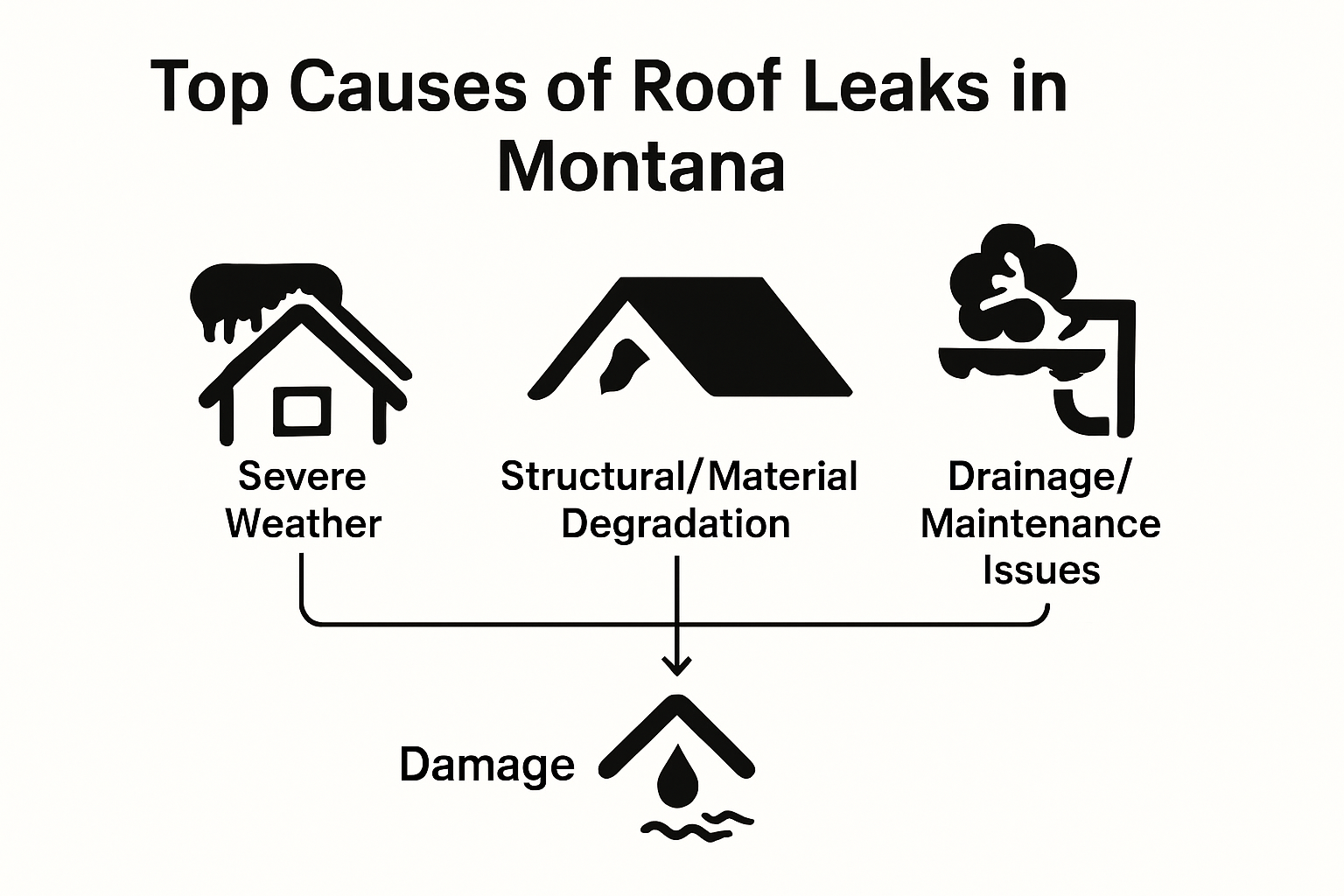
Montana’s unique climate presents specific challenges for residential and commercial roofing systems. Understanding the primary causes of roof leaks helps homeowners proactively protect their properties from potential water damage and expensive repairs.
Severe Weather and Environmental Factors
Montana’s extreme weather conditions significantly contribute to roof vulnerabilities. National Weather Service reports that Helena experiences substantial temperature fluctuations and intense seasonal variations, which can dramatically impact roofing materials.
Ice dams represent one of the most destructive environmental threats to Montana roofs. Wikipedia explains that these formations occur when heat from a building’s interior melts snow on the roof, which then refreezes at the colder roof edges. This process creates massive ice barriers that prevent proper water drainage, forcing moisture underneath shingles and causing significant leakage.
Heavy snowfall and rapid temperature changes create additional stress on roofing materials. When snow accumulates and then rapidly melts, the constant expansion and contraction can create microscopic cracks in shingles and flashing, ultimately compromising the roof’s water-resistant capabilities.
Structural and Material Degradation
Roofing materials naturally deteriorate over time, especially in Montana’s challenging climate. All Weather Exteriors highlights that inadequate roof ventilation can accelerate material breakdown, leading to potential water infiltration.
Asphalt shingles, commonly used in Montana residential construction, become brittle and less effective with prolonged exposure to UV radiation and temperature extremes. Granule loss, cracking, and curling represent early signs of material degradation that can create entry points for water. Professional inspections can help identify these issues before they escalate into major leaks.
Flashing around chimneys, vents, and roof joints represents another critical vulnerability. Metal flashing can corrode, separate, or develop gaps over time, providing direct pathways for water penetration. In Montana’s climate, thermal expansion and contraction accelerate this degradation process.
Drainage and Maintenance Issues
Improper drainage consistently ranks among the top causes of roof leaks. Montana Home Inspectors Association emphasizes that clogged gutters and improper slope can prevent water from effectively moving away from the roof structure.
Gutter systems play a crucial role in roof protection. When gutters become blocked with leaves, debris, or ice, water cannot flow freely, causing potential backup and seepage under shingles. This standing water creates significant pressure that can force moisture through even minor roof imperfections.
Additionally, overhanging tree branches pose unexpected risks. Branches rubbing against roof surfaces can gradually wear away protective granules on shingles, creating potential entry points for water. During winter storms, heavy snow-laden branches can break and cause direct damage to roofing materials.
Helena homeowners should schedule professional roof inspections at least twice annually to identify and address these potential leak sources. Proactive maintenance remains the most cost-effective strategy for preventing extensive water damage and preserving your home’s structural integrity.
For an at-a-glance overview, the following table summarizes the top causes of roof leaks in Montana, their specific examples, and how they affect the roof:
| Cause Category | Specific Examples | Effect on Roof |
|---|---|---|
| Severe Weather & Environment | Ice dams, heavy snowfall, rapid temperature change | Forces water under shingles, cracking |
| Structural & Material Degradation | Aging shingles, granule loss, flashing corrosion | Entry points for water, leaks develop |
| Drainage & Maintenance Issues | Clogged gutters, poor slope, overhanging tree branches | Water backup, direct physical damage |
Prevention Tips for Lasting Roof Protection
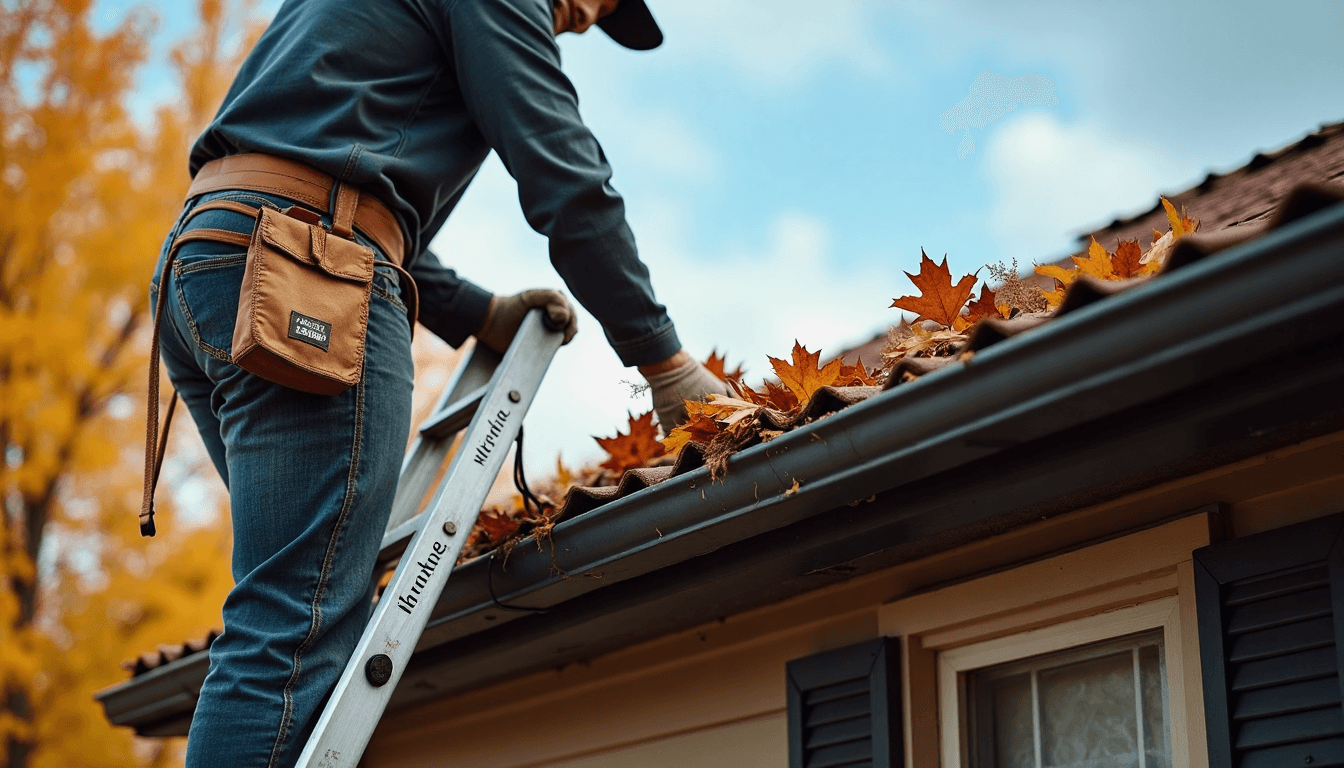
Protecting your roof requires a proactive approach that combines regular maintenance, strategic interventions, and professional expertise. Helena homeowners can significantly extend their roof’s lifespan and prevent costly water damage by implementing comprehensive protection strategies.
Professional Inspection and Maintenance
Seneca Insurance emphasizes the critical importance of regular professional roof inspections. Annual assessments by qualified roofing experts can identify potential vulnerabilities before they escalate into significant problems. These comprehensive evaluations involve detailed examinations of shingle condition, flashing integrity, and overall roof structure.
Seasonal inspections become particularly crucial in Montana’s challenging climate. Professional roofers can assess winter damage, check for ice dam formations, and identify any wear caused by extreme temperature fluctuations. Early detection allows for timely repairs that prevent minor issues from developing into extensive water damage.
Homeowners should maintain detailed maintenance records, documenting each inspection, repair, and intervention. These records not only help track the roof’s condition but can also prove valuable for insurance purposes and potential future property sales.
Gutter and Drainage Management
Proper water management represents a fundamental aspect of roof protection. National Roofing Contractors Association recommends a comprehensive approach to gutter and drainage maintenance that goes beyond simple cleaning.
Regular gutter maintenance involves more than removing leaves and debris. Homeowners should ensure downspouts direct water at least three to four feet away from the foundation, preventing potential water infiltration and structural damage. Installing gutter guards can help reduce debris accumulation and minimize the frequency of cleaning required.
In Montana’s climate, special attention must be paid to preventing ice dam formations. This involves ensuring proper attic insulation and ventilation to maintain consistent roof temperatures. Heated roof cables can provide additional protection in areas prone to significant snow and ice buildup.
Proactive Roof Care Strategies
Building Research Council highlights several proactive strategies that can significantly extend roof lifespan. Attic ventilation emerges as a critical factor in preventing moisture-related damage. Proper ventilation helps regulate temperature and humidity, reducing the risk of condensation that can compromise roof materials.
Trim overhanging tree branches that could potentially damage your roof during storms. Branches can scratch protective shingle granules, create debris accumulation, and pose a risk of direct impact during high winds or heavy snow loads. Maintaining a clear zone around your roof reduces potential damage sources.
Consider applying protective coatings or sealants recommended by roofing professionals. These treatments can provide an additional layer of protection against UV radiation, moisture, and temperature variations specific to Montana’s climate.
Financially, homeowners should budget for routine maintenance and potential repairs. Setting aside funds for annual inspections and addressing minor issues promptly can prevent significantly more expensive roof replacements in the future.
Helena residents must recognize that roof protection is an ongoing process. By combining professional expertise, regular maintenance, and proactive care strategies, homeowners can ensure their roofs remain strong, functional, and capable of withstanding Montana’s demanding environmental conditions.
Insurance and Repair Steps for Property Owners
Navigating roof leak repairs and insurance claims can be complex for Helena property owners. Understanding the intricacies of coverage, documentation, and repair processes helps homeowners protect their investments and minimize financial risks.
Understanding Insurance Coverage
The Hartford explains that homeowners insurance typically covers roof leaks resulting from sudden and accidental events. Covered incidents generally include damage from storms, falling objects, and unexpected structural failures. However, policies explicitly exclude damages arising from routine wear and tear or neglected maintenance.
Homeowners must carefully review their specific policy details. Some insurance plans offer different levels of roof coverage based on the roof’s age, material, and previous maintenance history. Policies may provide full replacement cost for newer roofs, while older roofs might receive depreciated value compensation.
Most insurance providers require documented proof that the damage was not a result of long-term neglect. This means maintaining consistent roof maintenance records becomes crucial for potential future claims. Regular professional inspections and prompt repairs can significantly strengthen your insurance claim potential.
Documentation and Claim Preparation
Claim Guide emphasizes the critical importance of comprehensive documentation when addressing roof damage. Property owners should create a detailed record that includes:
- Comprehensive photographic evidence of the damage
- Dated videos showing the extent of roof deterioration
- Professional inspection reports
- Receipts for emergency repairs
- Maintenance records demonstrating ongoing roof care
When a leak is discovered, homeowners should take immediate action to mitigate further damage. This might include temporary protective measures like tarping exposed areas or removing water to prevent additional structural complications. Insurers expect property owners to demonstrate responsible management during potential claim processes.
Professional Repair and Restoration Strategy
Refresh Coatings recommends a strategic approach to roof repairs that aligns with insurance requirements. Professional assessment becomes the first critical step in the restoration process.
Qualified roofing professionals can provide detailed damage reports that serve multiple purposes. These assessments not only outline necessary repairs but also generate documentation valuable for insurance claims. Helena homeowners should select contractors experienced in working with insurance companies and providing comprehensive repair estimates.
Repair strategies should prioritize comprehensive solutions over quick fixes. This might involve addressing underlying structural issues, replacing damaged materials, and implementing preventative measures to reduce future leak risks. Insurance providers typically prefer thorough, long-term repair approaches that demonstrate commitment to property preservation.
Financial planning plays a crucial role in managing roof leak repairs. Homeowners should budget for potential out-of-pocket expenses, understanding that insurance deductibles and coverage limitations may require personal investment. Maintaining an emergency home repair fund provides flexibility during unexpected roofing challenges.
Helena property owners must approach roof leak repairs with a proactive, informed mindset. By understanding insurance coverage, maintaining detailed documentation, and partnering with professional roofing experts, homeowners can effectively manage potential roof damage and protect their most significant investment.
Frequently Asked Questions
What are the common signs of roof leaks?
Common signs of roof leaks include water stains on ceilings and walls, mold or mildew growth, damaged shingles, peeling paint, and wet areas in the attic.
What causes roof leaks in Montana specifically?
In Montana, roof leaks are often caused by extreme weather, ice dams, structural degradation, and poor drainage due to clogged gutters and maintenance issues.
How can I prevent roof leaks in my home?
To prevent roof leaks, schedule regular professional inspections, maintain your gutters, trim overhanging tree branches, and ensure proper attic ventilation.
When should I file an insurance claim for roof leaks?
You should file an insurance claim for roof leaks when the damage is sudden and accidental, and you have documentation to support your claim, including photos and maintenance records.
Take the Worry Out of Roof Leaks and Montana Weather
Your home’s comfort and safety depend on a strong, resilient roof, especially in Helena where unpredictable weather, ice dams, and heavy snow can quickly lead to leaks or serious structural damage. If you have noticed signs such as water stains, damaged shingles, or ice dam issues as discussed above, waiting can lead to much higher repair costs later and even health risks from mold. The good news is, you do not have to face these headaches alone.

Ellingson Roofing LLC is your trusted partner for reliable roofing, custom gutters, and even solar solutions in the Helena area. Our experts know Montana’s unique roofing challenges and use high-quality materials to fix leaks, prevent ice dams, and strengthen your entire exterior. Ready to protect your investment and avoid expensive emergencies? Visit our solar energy solutions page to learn how our integrated approach can help you stay worry-free all year or contact us through Ellingson Roofing LLC for a free estimate and personalized advice today.
Contact Us
Stay up to date on Montana Roofing, Siding, Gutters, and Solar Energy