Commercial Roofing Basics for Helena and Montana Owners 2025
Contact Us
Commercial Roofing Basics for Helena and Montana Owners 2025
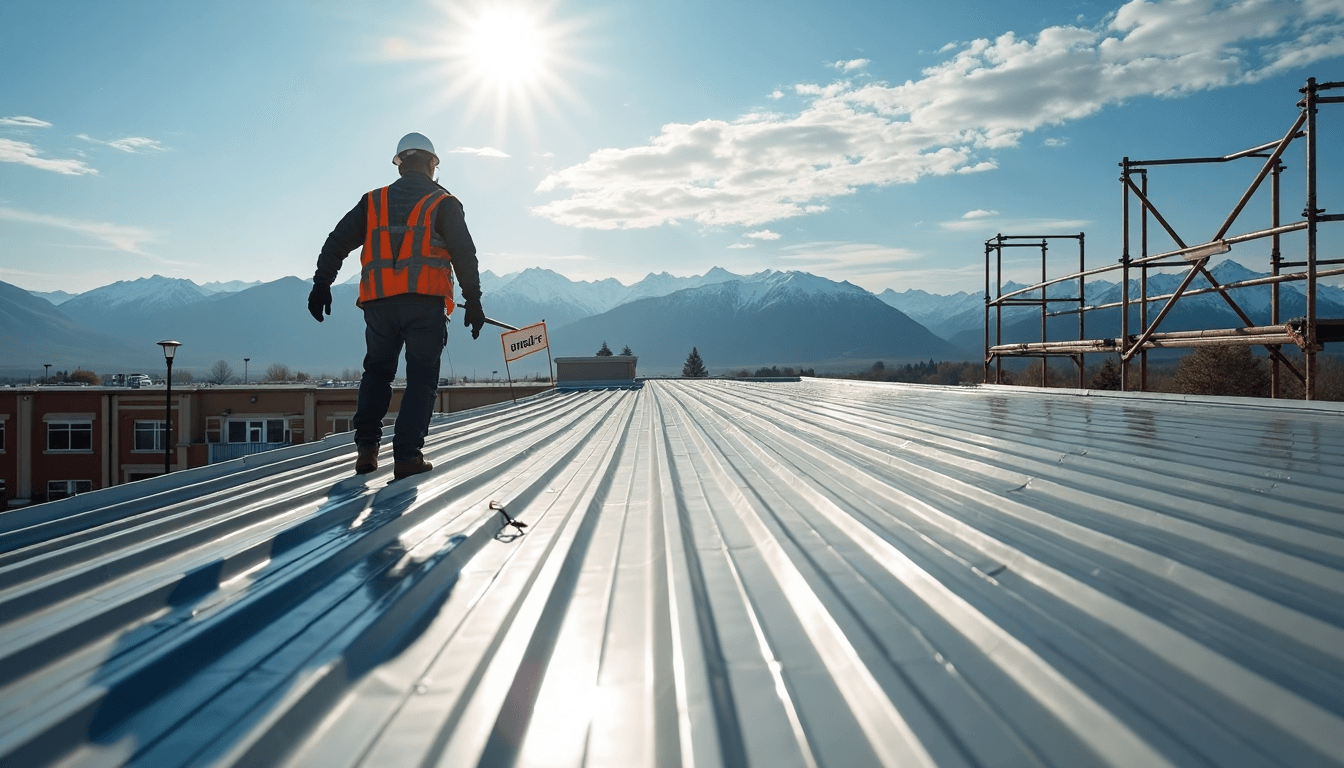
Commercial roofs in Montana face some of the toughest weather in the country. Metal roofs here can last up to 70 years while reflective surfaces can slash cooling costs by 25 percent . Most people think choosing any commercial roof is just about cost, but that overlooks the real risks hiding in your options. What surprises many owners is just how much the right material and maintenance plan can save your property from massive repairs and future headaches.
Table of Contents
Quick Summary
| Takeaway | Explanation |
|---|---|
| Choose the Right Roofing Material | Select from metal, flat, or advanced sustainable options based on durability, cost, and environmental adaptability for commercial properties in Montana. |
| Prioritize Professional Inspections | Conduct semi-annual inspections to detect issues early, focusing on vital components like membrane integrity and drainage systems. |
| Implement Proactive Maintenance Strategies | Establish protective measures, such as maintaining drainage systems and minimizing foot traffic, to enhance roof longevity and performance. |
| Vet Contractors Thoroughly | Assess credentials, local expertise, and communication skills when selecting a roofing partner for effective and reliable roofing solutions. |
Essential Commercial Roofing Types and Materials
Commercial roofing demands precise material selection to ensure long-term performance and protection for Helena businesses and property owners. Understanding the range of roofing types and materials is crucial for making informed decisions that balance durability, cost-effectiveness, and environmental adaptability.
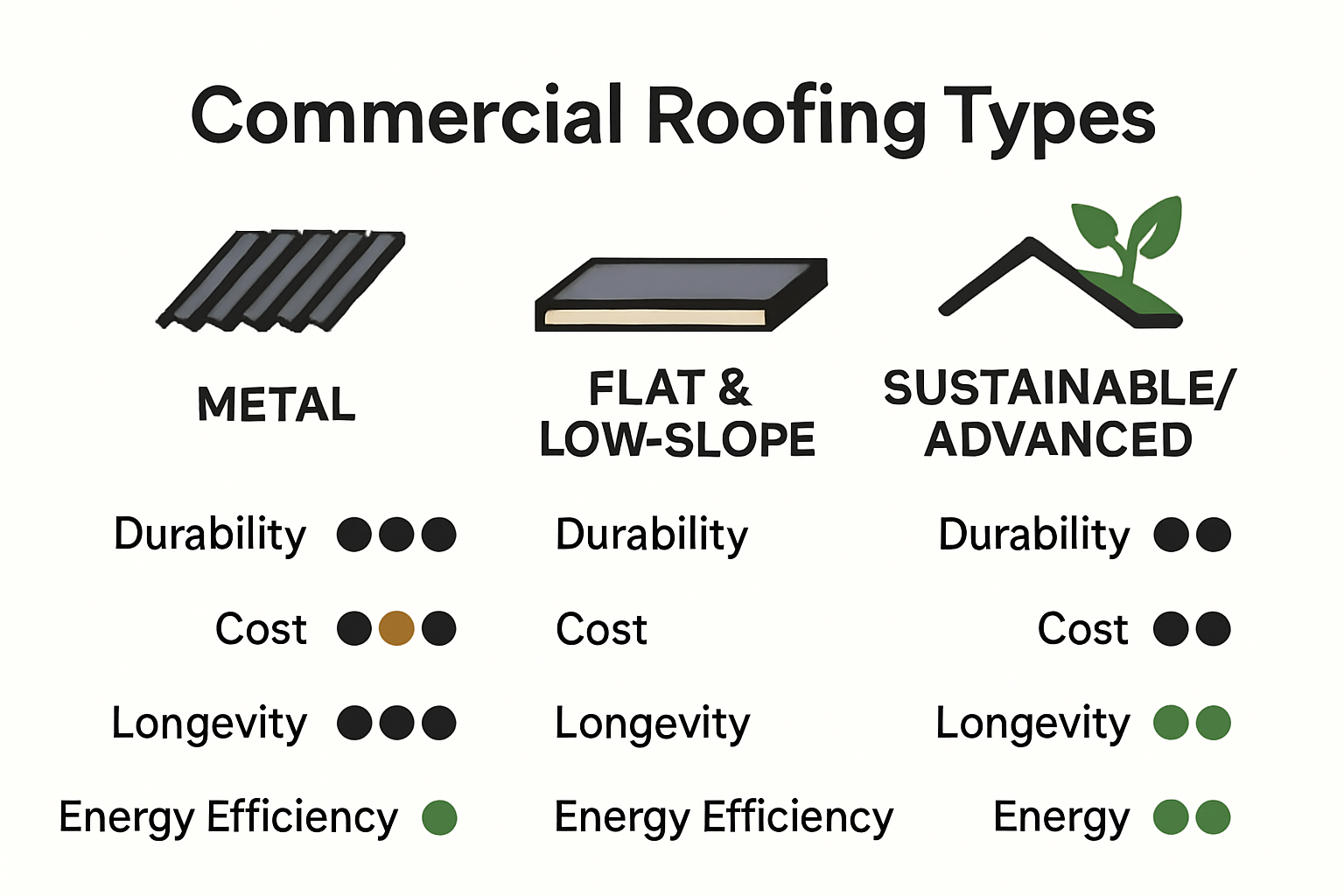
Metal Roofing Systems: Durability Meets Performance
Metal roofing represents a premier choice for commercial properties in Montana’s challenging climate. These systems offer exceptional longevity and resilience against extreme weather conditions. Research indicates metal roofs can last 40-70 years, significantly outperforming traditional roofing materials. Steel, aluminum, and copper are the primary metal roofing options, each presenting unique advantages.
Steel roofing provides remarkable strength and corrosion resistance, making it ideal for industrial and commercial buildings. Aluminum offers superior lightweight properties and natural resistance to rust, perfect for structures requiring minimal additional structural support. Copper roofing, while more expensive, delivers unparalleled aesthetic appeal and can last over 100 years with proper maintenance.
The energy efficiency of metal roofing is particularly noteworthy. Reflective metal surfaces can reduce cooling costs by 10-25%, a significant benefit for businesses seeking to minimize operational expenses. These roofing systems also provide excellent fire resistance and protection against mildew, insects, and environmental degradation.
Flat and Low-Slope Roofing Options
Flat and low-slope roofs are common in commercial construction, particularly for warehouses, manufacturing facilities, and multi-unit buildings in Helena. These roofing systems require specialized materials that can withstand potential water accumulation and provide robust waterproofing.
Modified bitumen and thermoplastic polyolefin (TPO) membranes are primary choices for commercial flat roofing. Modified bitumen offers multiple layers of protection, combining asphalt with polymer-reinforced materials to create a durable, flexible roofing solution. TPO membranes provide exceptional UV resistance and heat-reflective properties, helping businesses reduce energy consumption and maintain consistent interior temperatures.
Built-up roofing (BUR) systems remain a traditional yet effective option. These multilayered roofs consist of alternating layers of bitumen and reinforcing fabrics, creating a robust, waterproof membrane. While more labor-intensive to install, BUR systems offer excellent durability and can be an economical long-term roofing solution for commercial properties.
Sustainable and Advanced Roofing Technologies
Emerging roofing technologies are transforming commercial construction in Montana. Green roofing systems, which incorporate vegetation and specialized growing mediums, provide exceptional insulation, stormwater management, and urban heat island mitigation. Environmental studies demonstrate these systems can reduce roof surface temperatures by up to 40%, significantly improving building energy efficiency.
Solar-integrated roofing represents another innovative approach. These systems combine traditional roofing materials with photovoltaic technology, allowing businesses to generate renewable energy while maintaining robust roof protection. For Helena commercial properties, this approach offers dual functionality: protecting the building and reducing long-term energy costs.
Selecting the right commercial roofing material requires careful consideration of local climate conditions, building specifications, budget constraints, and long-term performance expectations. Consulting with professional roofing specialists can help businesses make informed decisions that balance immediate needs with future sustainability goals.
To help compare major commercial roofing options mentioned, the table below summarizes their key features and benefits.
| Roofing Type | Lifespan | Key Benefits | Notable Considerations |
|---|---|---|---|
| Metal (Steel) | 40-70 years | Strength, corrosion resistance, energy efficiency | Higher upfront cost, labor-intensive |
| Metal (Aluminum) | 40-70 years | Lightweight, rust resistance, minimal structural load | Higher material cost |
| Metal (Copper) | 50-100+ years | Premium look, extreme longevity, minimal maintenance | Expensive upfront |
| Modified Bitumen | 20-30 years | Multi-layer protection, flexibility, waterproofing | Vigilant maintenance needed |
| TPO Membrane | 20-30 years | UV/heat reflection, improved interior comfort | Potential for seam issues |
| Built-Up Roofing | 20-30+ years | Proven durability, layered waterproofing | Heavy, labor-intensive install |
| Green Roofing | 30-50 years | Insulation, stormwater, heat island mitigation | Structural requirements, cost |
| Solar-Integrated | 25-30 years+ | Renewable energy production, robust protection | Higher complexity, initial cost |
Key Steps in the Commercial Roofing Process
Commercial roofing projects represent complex undertakings that require meticulous planning, specialized expertise, and systematic execution. For Helena businesses and property owners, understanding the comprehensive process ensures successful roof installations, repairs, and replacements.
Initial Assessment and Strategic Planning
Every commercial roofing project begins with a thorough initial assessment. Professional roofing specialists conduct comprehensive evaluations of existing roof conditions, structural integrity, and specific property requirements. Building experts recommend detailed inspections that examine multiple critical factors: current roof age, previous maintenance history, underlying structural damage, and potential environmental stress points.
The assessment phase involves precise measurements, advanced diagnostic tools, and expert analysis. Roofing professionals utilize thermal imaging technology to detect moisture intrusion, structural weak points, and insulation deficiencies. These sophisticated techniques allow for targeted interventions that prevent potential long-term damage and optimize roof performance.
During strategic planning, roofing specialists develop customized recommendations based on several key considerations. Budget constraints , building usage, local climate conditions, and long-term performance expectations are carefully evaluated. This comprehensive approach ensures that selected roofing solutions align perfectly with the specific needs of Helena commercial properties.
Preparation and Technical Installation
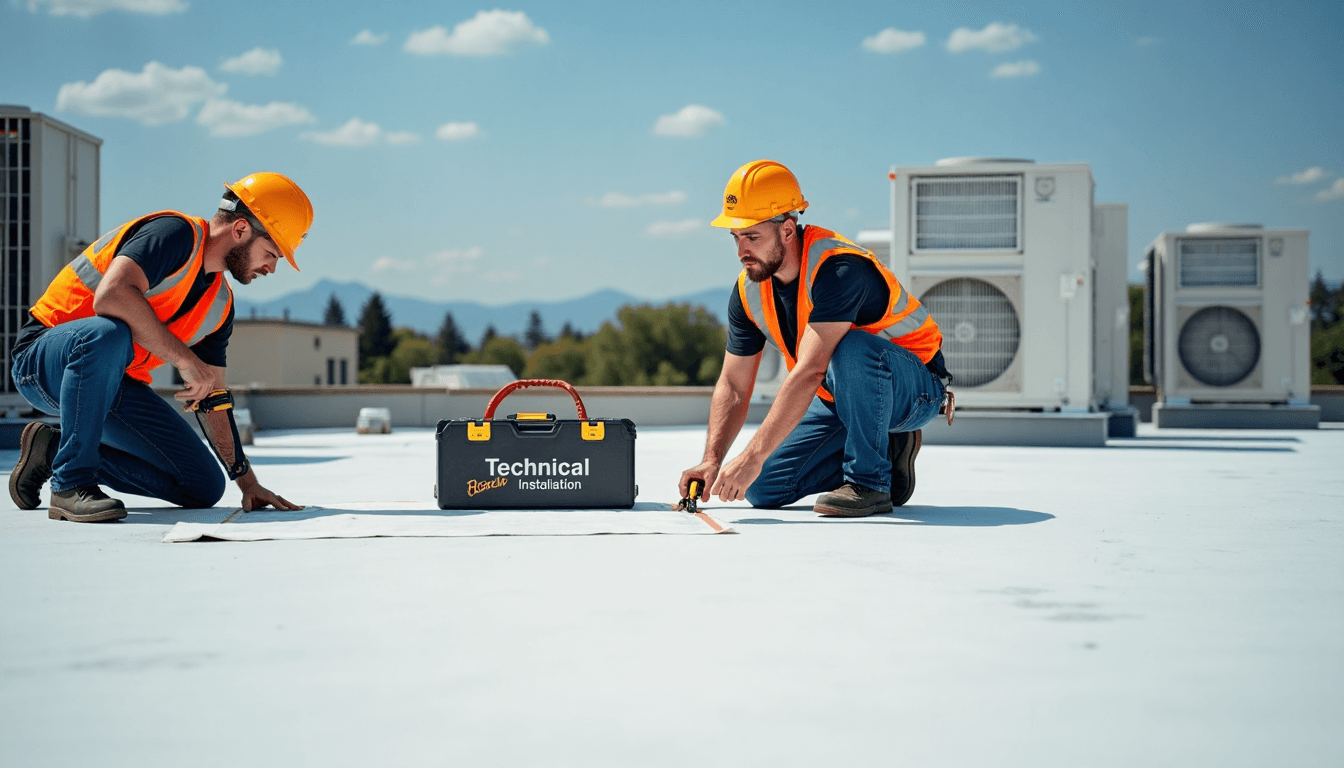
Preparation represents a critical phase in commercial roofing projects. Before any new roofing system can be installed, existing roof materials must be carefully removed and the underlying structure thoroughly inspected. This process involves multiple precise steps: debris removal, structural assessment, and preparation of the roof deck.
Installation techniques vary depending on selected roofing materials. For metal roofing systems, specialized fastening methods ensure secure attachment and wind resistance. Membrane roofing like TPO and EPDM requires precise heat welding and careful seam management to guarantee complete waterproofing. Roofing industry standards mandate strict adherence to manufacturer guidelines and local building codes during this critical phase.
Professional installers employ advanced techniques to address potential challenges. Proper insulation installation, vapor barrier management, and edge detailing are essential components of a successful commercial roofing project. These technical considerations prevent future moisture infiltration, improve energy efficiency, and extend the overall lifespan of the roofing system.
Final Verification and Ongoing Maintenance
The final stages of commercial roofing projects focus on comprehensive quality verification and establishing ongoing maintenance protocols. Rigorous final inspections ensure that every aspect of the installation meets or exceeds industry standards. Roofing specialists conduct multiple checkpoints, including water testing, seam integrity assessment, and complete system performance evaluation.
Professional roofing teams provide detailed documentation, including warranty information, maintenance recommendations, and comprehensive project reports. These resources empower property owners with critical insights into their new roofing system’s performance characteristics and long-term care requirements.
Ongoing maintenance represents a crucial investment in protecting commercial roofing systems. Regular professional inspections, typically recommended twice annually, help identify potential issues before they develop into significant problems. Helena businesses benefit from proactive maintenance strategies that extend roof lifespan, prevent unexpected repairs, and optimize overall building performance.
Successful commercial roofing projects demand a combination of technical expertise, strategic planning, and meticulous execution. By understanding and engaging with each critical phase of the roofing process, Helena property owners can ensure robust, long-lasting roofing solutions that protect their valuable investments.
Below is a step-by-step table summarizing the key phases in the commercial roofing process for clarity.
| Step | Description |
|---|---|
| Initial Assessment | Examine current roof, assess structure, check for damage and environmental stress |
| Strategic Planning | Develop recommendations based on budget, building use, and local conditions |
| Preparation | Remove old roofing, inspect and prep deck, clear debris |
| Technical Installation | Install new roofing (fastening, welding, seams) per manufacturer & code |
| Quality Verification | Conduct inspections, water tests, and performance checks |
| Documentation | Provide warranties, reports, and maintenance guidelines |
| Ongoing Maintenance | Schedule regular (twice/year) professional inspections and care |
How to Maintain and Extend Roof Lifespan
Commercial roofing represents a significant investment for Helena businesses, making proactive maintenance and strategic care essential for maximizing roof performance and longevity. Understanding comprehensive maintenance strategies can help property owners prevent costly repairs and extend their roofing system’s operational lifespan.
Regular Inspection and Early Problem Detection
Routine professional inspections form the cornerstone of effective roof maintenance. The National Roofing Contractors Association recommends comprehensive semi-annual evaluations to identify potential issues before they escalate. These inspections should thoroughly examine critical roof components, including membrane integrity, drainage systems, flashings, and structural connections.
Professional roofing specialists utilize advanced diagnostic tools during inspections. Thermal imaging technology can detect moisture intrusion, identifying potential weak points invisible to the naked eye. These sophisticated assessments enable targeted interventions that prevent minor problems from developing into major structural challenges.
Critical inspection points include checking for:
- Membrane punctures or tears
- Loose or damaged fasteners
- Signs of water pooling
- Compromised seam integrity
- Debris accumulation
- Vegetation growth
Proactive Maintenance and Protection Strategies
Effective roof maintenance extends far beyond periodic inspections. Implementing strategic protection measures can significantly enhance roof durability and performance. Roofing industry experts emphasize the importance of limiting foot traffic and managing environmental stressors.
Implementing professional drainage management is crucial for preventing water-related deterioration. Commercial properties should ensure gutters, downspouts, and scuppers remain clear of debris and function optimally. Proper water management prevents moisture accumulation that can compromise roof structural integrity.
Installing protective walkway systems reduces direct damage from maintenance activities. These specialized paths distribute weight evenly and minimize membrane stress during necessary roof access. Additionally, establishing clear protocols for equipment installation and maintenance can prevent unnecessary structural strain.
Seasonal Maintenance and Environmental Considerations
Montana’s diverse climate presents unique challenges for commercial roofing systems. Seasonal maintenance strategies must account for extreme temperature variations, potential snow loads, and rapid weather changes. Environmental research highlights the importance of adapting maintenance approaches to local climatic conditions.
Winter preparation involves removing snow accumulation, preventing ice dam formation, and checking insulation effectiveness. Summer maintenance focuses on UV protection, checking for heat-related membrane degradation, and ensuring proper ventilation. Autumn requires comprehensive debris removal and drainage system inspection.
Professional maintenance programs offer comprehensive solutions tailored to specific roofing materials and local environmental conditions. These services typically include detailed documentation, predictive maintenance scheduling, and expert recommendations for long-term roof management.
Successful roof maintenance demands a proactive, systematic approach. By investing in regular professional inspections, implementing protective strategies, and responding quickly to identified issues, Helena businesses can maximize their roofing system’s performance, durability, and overall value. Partnering with experienced roofing professionals ensures comprehensive care that protects this critical building asset.
Choosing the Right Roofing Partner in Montana
Selecting the appropriate roofing partner represents a critical decision for Helena businesses and property owners. The right contractor can mean the difference between a durable, long-lasting roofing solution and costly future repairs. Understanding key selection criteria ensures a successful roofing project that meets both immediate needs and long-term performance expectations.
Credentials and Professional Qualifications
The Montana Roofing Association emphasizes the importance of thoroughly vetting potential roofing contractors. Professional credentials serve as the foundation for selecting a reliable roofing partner. Businesses should prioritize contractors with comprehensive licensing, insurance, and industry certifications.
Key credential considerations include:
- Current Montana state contractor’s license
- Comprehensive general liability insurance
- Worker’s compensation coverage
- Manufacturer-specific certifications
- Professional association memberships
Certification through recognized industry organizations demonstrates a contractor’s commitment to professional standards and ongoing education. Manufacturers’ certifications indicate specialized training in specific roofing systems, ensuring advanced technical expertise and adherence to precise installation guidelines.
Experience and Local Expertise
Local experience represents a crucial factor in selecting a roofing partner for Montana properties. Regional roofing experts highlight the significance of contractors who understand the unique environmental challenges presented by Montana’s diverse climate conditions. Local experience translates to nuanced knowledge of how specific roofing materials perform under regional weather patterns.
Professional roofing partners should demonstrate:
- Proven track record of commercial roofing projects
- Understanding of local building codes
- Experience with Montana-specific environmental challenges
- Familiarity with regional material performance
Recommendations and documented project portfolios provide valuable insights into a contractor’s capabilities. Requesting detailed references, examining previous project photographs, and verifying completed work can help businesses make informed decisions.
Comprehensive Project Assessment and Communication
The most effective roofing partners offer more than technical expertise. They provide comprehensive project assessment, transparent communication, and strategic guidance throughout the roofing process. Construction industry research indicates that clear communication and detailed project planning are fundamental to successful roofing implementations.
Outstanding roofing partners distinguish themselves through:
- Detailed initial property assessments
- Transparent cost estimates
- Clear project timeline proposals
- Comprehensive maintenance recommendations
- Responsive customer communication
A thorough initial consultation should include a comprehensive roof evaluation, discussion of potential challenges, and customized recommendations tailored to the specific property’s needs. Businesses should seek contractors who approach each project as a unique challenge, offering personalized solutions rather than generic approaches.
Choosing the right roofing partner requires careful consideration of multiple factors. By prioritizing professional credentials, local expertise, and comprehensive communication, Helena businesses can select a roofing contractor capable of delivering exceptional results. The ideal partnership combines technical proficiency, local knowledge, and a commitment to long-term property protection.
Frequently Asked Questions
What are the best roofing materials for commercial properties in Montana?
Metal roofing systems are highly recommended due to their durability, energy efficiency, and longevity. Options such as modified bitumen and TPO membranes are also popular for flat and low-slope roofs. Additionally, green roofing systems and solar-integrated roofing technologies are emerging sustainable choices.
How can I extend the lifespan of my commercial roof?
Regular inspections and proactive maintenance are key to extending your roof’s life. Conduct semi-annual evaluations to check for issues and implement protective measures such as managing drainage systems and minimizing foot traffic on the roof.
What steps are involved in the commercial roofing process?
The commercial roofing process includes an initial assessment, strategic planning, preparation and technical installation, quality verification, documentation, and ongoing maintenance to ensure long-lasting performance.
Why is it important to choose a local roofing contractor in Montana?
Choosing a local roofing contractor ensures that they understand the specific environmental challenges of your region and are familiar with local building codes. Their experience with the local climate can lead to better performance and durability of the roofing system.
Protect Your Commercial Investment with a Roofing Partner Who Knows Montana
You have just learned how Helena’s climate puts commercial roofs to the ultimate test. The article highlights the real challenges—severe weather, constant maintenance needs, and the huge impact of roofing material on your long-term costs and peace of mind. At Ellingson Roofing LLC, we address exactly these issues with local expertise and advanced solutions, including durable metal roofs and innovative solar energy systems. If you want to turn your new roof into an energy-saving asset, explore our solar panel installation services made for Montana’s unique conditions.
Stop problems before they start. Trust a roofing partner who not only understands harsh weather and storm damage but also knows how to protect your operation with the right products and regular professional care. Visit Ellingson Roofing LLC today or reach out for your free commercial roofing consultation. Safeguard your property and see how a proactive approach can maximize performance and help you avoid costly repairs year after year.
Learn about Dust in Time Cleaners here in Helena MT. Check out their Helena Carpet Cleaning Services
Contact Us
Stay up to date on Montana Roofing, Siding, Gutters, and Solar Energy